Medically reviewed by KNMC Hospital Last updated: October 2026
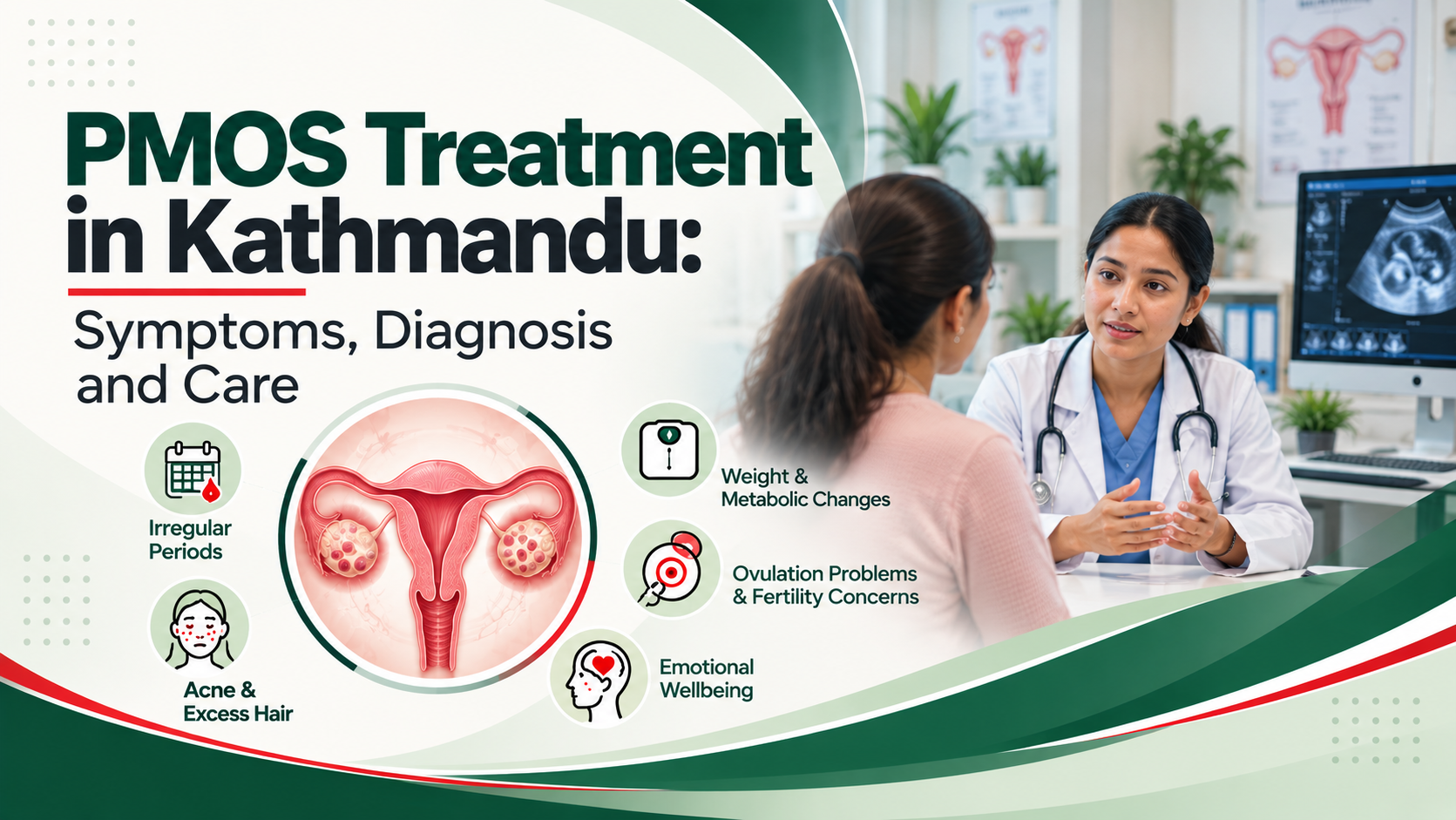
You might start to worry if something is wrong when you have a late period, acne that doesn’t seem to be improving or new facial hair. In some women these changes are associated with a hormonal disorder called Polyendocrine Metabolic Ovarian Syndrome (PMOS) that can also affect metabolism, ovulation and fertility.
The first step for women seeking PMOS treatment in Kathmandu is to be aware of the symptoms that require attention and the investigations that might be useful. The team at Kathmandu National Medical College & Teaching Hospital (KNMC) Obstetrics and Gynaecology can help patients to discuss their menstrual problems, hormonal problems and reproductive health.
What Is PMOS (Polyendocrine Metabolic Ovarian Syndrome)?
Understanding PMOS and How It Affects the Body
PMOS is a hormonal condition associated with changes in ovulation and androgen levels. Androgens are hormones that everyone produces, although the levels and effects differ between individuals. In PMOS, higher androgen activity may contribute to acne, increased facial hair or thinning hair on the scalp.
The condition can also be associated with insulin resistance and other metabolic concerns. Not every woman experiences all these effects. One person may mainly notice irregular periods, while another may be concerned about skin changes or difficulty becoming pregnant.
How Hormonal and Metabolic Changes Affect Reproductive Health
Ovulation is the release of an egg from the ovary . Menstrual cycles can become unpredictable and it becomes more difficult to identify fertile days when it does not happen regularly.
Metabolic health matters, too. This can result in insulin resistance in some people with PMOS, which can contribute to blood sugar regulation problems. This does not mean that every patient has diabetes or will get diabetes.
The pattern of symptoms can help a doctor decide what health problems need to be treated now and what problems should be watched over time.
Does PMOS Always Require Visible Ovarian Cysts?
No. Visible ovarian cysts are not necessary for every diagnosis of PMOS. The diagnosis relies on recognised clinical criteria, and an ultrasound is not always needed.
A separate ovarian cyst is a different issue. Many cysts resolve without surgery, while others need assessment based on their size, appearance and symptoms. Persistent pelvic pain or sudden, severe abdominal pain should not automatically be attributed to PMOS. When a separate cyst needs treatment, the options may include monitoring, medication for associated symptoms or surgery, including laparoscopic ovarian cyst surgery in Kathmandu when clinically appropriate.
What Are the Common Symptoms of PMOS?
Irregular, Infrequent or Missing Periods
Menstrual cycles may become unpredictable, occur less often than expected or stop for several months. This can happen when ovulation is irregular.
Occasional changes in a cycle do not automatically indicate PMOS. However, repeated long gaps between periods deserve attention. Prolonged periods without regular ovulation may also affect the lining of the uterus, so it is worth discussing persistent irregularity with a gynaecologist.
Acne, Excess Facial Hair and Scalp Hair Thinning
Some women notice persistent acne, coarse hair on the chin or upper lip, or thinning around the scalp. These changes can be associated with androgen activity, but other conditions can cause similar symptoms.
Mention when the changes began and whether they are getting worse. Rapidly developing facial hair or other pronounced hormonal changes should be assessed promptly rather than assumed to be PMOS.
Weight and Metabolic Health Changes
Some women with PMOS experience weight changes or metabolic concerns, while others do not. A person can have the condition at a range of body sizes.
Weight alone cannot confirm or exclude PMOS. Blood sugar, cholesterol, blood pressure, menstrual history and other clinical findings may all be relevant when assessing overall health.
Ovulation Problems and Difficulty Becoming Pregnant
When ovulation happens irregularly, conceiving may take longer. Periods can also be an unreliable indicator of when an egg is released.
PMOS does not automatically mean infertility. Women who are trying to conceive can discuss ovulation and other possible fertility factors with a specialist. The next step depends on age, reproductive goals, how long pregnancy has been attempted and whether any additional factors need investigation.
Emotional Wellbeing, Anxiety and Body Image
Unwanted hair growth, persistent skin changes and concerns about pregnancy can take an emotional toll. Some people also experience anxiety, low mood or problems with sleep.
These concerns are part of a person's overall health, not a personal failing. Tell your healthcare provider if symptoms are affecting confidence or daily life, so emotional wellbeing can be considered alongside physical treatment.
How Is PMOS Diagnosed in Kathmandu?
There is no single blood test that confirms every case of PMOS. Diagnosis combines a medical history, relevant examination findings and selected investigations. The clinician also considers other conditions that might explain the symptoms.
Medical History, Menstrual Patterns and Physical Assessment
Your doctor may ask about your period dates, acne, hair growth, previous treatment, medicines and family history. If possible, bring a record of your menstrual cycles. Even approximate dates can help show whether the pattern has changed.
The examination will depend on your symptoms and what is appropriate for your situation. You can also discuss concerns you may feel uncomfortable raising, including unwanted hair growth or difficulties conceiving.
Blood Tests and Ruling Out Other Conditions
Depending on the findings, the doctor may recommend hormone tests and investigations to rule out other explanations for irregular periods or androgen-related symptoms. Thyroid problems and elevated prolactin, for example, can also affect menstrual cycles.
The right tests are those that answer a clinical question. Ordering every available hormone test is not necessarily helpful, and results should be interpreted in context.
Is an Ultrasound or AMH Test Always Necessary?
No. Some adults can be diagnosed without an ultrasound if they have both irregular ovulation and clear evidence of androgen excess, after other causes have been considered.
Anti-Müllerian hormone (AMH) may be used as an alternative to ultrasound for assessing ovarian morphology in appropriate adults, but it should not be treated as a standalone diagnostic test. Neither AMH nor ultrasound is recommended as a diagnostic criterion for adolescents under current international guidance.
Checking Blood Sugar, Cholesterol and Blood Pressure
Metabolic screening may be part of a PMOS assessment, even if irregular periods are the main concern. Depending on individual risk, this may include blood glucose testing, a lipid profile and blood pressure measurement.
These tests assess associated health risks rather than confirming PMOS itself. KNMC offers health check-up packages in Kathmandu, but a general screening package may not include every investigation needed for a hormonal assessment. Ask your doctor which tests are suitable before booking tests separately.
How Is PMOS Diagnosed in Teenagers?
Menstrual irregularity and acne can be common during puberty, making diagnosis more complicated in teenagers. The timing, persistence and combination of symptoms matter.
International guidance recommends specific criteria for adolescents and advises against using ultrasound or AMH to diagnose PMOS in this age group. If symptoms suggest a possible hormonal condition but the criteria are not yet met, a clinician may recommend follow-up instead of making a premature diagnosis.
What Are the Treatment Options for PMOS?
Treatment for Irregular Periods and Menstrual Health
Depending on medical history and pregnancy plans, a clinician may recommend hormonal treatment to regulate bleeding or protect the uterine lining when periods are very infrequent. The choice of medication depends on individual risks and needs.
Treatment for Acne and Unwanted Hair Growth
Treatment may involve skin care, prescribed acne medication, hair-removal methods or selected hormonal medicines. Improvements can take time, and the most suitable option depends on symptom severity and whether pregnancy is planned.
Hair growth and acne can also have causes unrelated to PMOS. If these symptoms are new or worsening quickly, a proper assessment is more useful than repeatedly trying over-the-counter products.
Managing Metabolic Concerns and Insulin Resistance
Regular activity, balanced meals and appropriate monitoring support metabolic health. In selected patients, a clinician may consider medication such as metformin for particular metabolic or reproductive indications.
Not everyone needs the same medicine, and routine insulin testing is not the only way to assess metabolic risk. Follow-up should be guided by clinical findings and the patient's individual circumstances.
PMOS Treatment for Women Trying to Conceive
If irregular ovulation is affecting conception, treatment may include medication to stimulate ovulation. Other fertility options can be considered when indicated, particularly if initial treatment is unsuccessful or another fertility factor is present.
IVF is not automatically necessary for everyone with PMOS. A fertility assessment helps determine whether the difficulty is related to ovulation alone or whether additional investigations are needed.
Why Treatment Should Be Individualised
A useful treatment plan reflects the person's priorities. That might mean managing prolonged gaps between periods, reducing acne, addressing metabolic concerns or improving the chance of pregnancy.
Your clinician should explain the benefits, possible side effects and follow-up requirements of each option. The aim is to manage the condition over time, rather than promise a single treatment that resolves every symptom.
Can PMOS Be Managed Through Lifestyle Changes?
Lifestyle changes can support treatment, particularly when metabolic health is a concern. They are not a replacement for medical assessment when symptoms need investigation.
A Balanced Diet Using Everyday Nepali Foods
You do not need an expensive or restrictive diet to start eating well. Meals built around dal, beans, vegetables, whole grains and suitable protein sources can provide variety and help support overall health.
There is no single PMOS diet that works for everyone. Avoid products or online plans promising to cure the condition, and be cautious about eliminating entire food groups without a clear reason.
Physical Activity and Regular Sleep
Choose an activity that fits your routine. Walking, cycling, dancing or other forms of exercise can be practical starting points; consistency matters more than following a plan you cannot maintain.
A regular sleep schedule may also help general wellbeing. If sleep is persistently poor or you feel unusually tired despite adequate rest, mention it during your consultation.
Weight Management Without Stigma
Weight loss is not the only measure of progress, and not every patient needs to lose weight. Health goals may include improving blood sugar, building strength, getting more consistent periods or reducing distressing symptoms.
A healthcare professional can help set realistic goals without making assumptions about a person's health based on appearance.
Supplements, Herbal Remedies and Online Treatment Claims
Supplements marketed for hormonal balance or fertility vary in quality and evidence. Some may interact with prescribed medicines.
Discuss any herbal products or supplements with a clinician, particularly if you have another health condition, take medication or are planning a pregnancy. Do not delay assessment in favour of an unverified remedy.
What Long-Term Health Risks Should People With PMOS Understand?
PMOS can involve more than reproductive symptoms, which is why follow-up matters even when periods or skin changes improve.
Blood Sugar, Cholesterol and Cardiovascular Health
Some people with PMOS have a greater risk of blood sugar abnormalities, unfavourable cholesterol levels or high blood pressure. Screening should reflect individual risk and clinical guidance.
Your doctor can advise which tests are appropriate and when they should be repeated. A normal result today does not necessarily mean no future monitoring will be needed.
Irregular Periods and the Uterine Lining
When periods are absent for long stretches, the uterine lining may become excessively thick in some patients. If your cycles are very infrequent, ask whether treatment is needed to protect the lining rather than waiting indefinitely for a period to return.
Pregnancy-Related Risks and Follow-Up
PMOS may be associated with a higher risk of certain pregnancy complications, including gestational diabetes and high blood pressure. These outcomes are not inevitable, and appropriate care can help monitor the pregnancy.
If you become pregnant, discuss your PMOS history with your obstetrician and attend recommended antenatal appointments. The pregnancy care guide by trimester outlines the stages of routine pregnancy care. The delivery method is a separate medical decision; whether vaginal delivery or a caesarean section is suitable depends on the circumstances of the pregnancy and labour, as explained in KNMC's guide to C-section and normal delivery in Kathmandu.
Mental Health and Sleep-Related Concerns
Anxiety, depression, body-image difficulties and sleep concerns deserve attention alongside physical symptoms. You do not need to wait until these problems become severe to bring them up with your doctor.
PMOS Treatment in Kathmandu: What to Expect at KNMC Hospital
When Should You Consult a Gynaecologist?
Consider an appointment if periods are repeatedly irregular, acne or unwanted hair growth is persistent, or you are concerned about fertility or metabolic health. You do not need to wait until several symptoms appear together.
Sudden severe pelvic pain, fainting or heavy bleeding requires urgent assessment. These symptoms should not be assumed to be PMOS.
What Should You Bring to Your Appointment?
Bring any previous blood-test results, ultrasound reports, a list of medicines and your menstrual dates if available. If you have not had any tests yet, you can still start with a consultation.
The clinician can decide which investigations are necessary instead of asking every patient to undergo the same set of tests.
What Happens After Your Initial Assessment?
The consultation usually starts with your symptoms and medical history. The doctor may recommend selected investigations, review the results with you and discuss treatment according to your needs.
KNMC's Obstetrics and Gynaecology team includes Dr. Nisha Rai, a Consultant Obstetrician and Gynaecologist with more than 14 years of clinical experience; Dr. Narayan Prasad Paudel, a Consultant Obstetrician and Gynaecologist with more than 15 years of experience; and Dr. Rosy Sharma, who has 15 years of clinical experience in obstetrics and gynaecology, with interests including women's health, infertility and reproductive ultrasound.
For patients choosing where to seek care, practical matters such as access to the relevant department, diagnostic services and follow-up arrangements are worth considering. These are among the factors discussed in what to expect from care at KNMC Hospital.
Understanding Consultation, Investigation and Treatment Costs
The cost of PMOS diagnosis and treatment in Kathmandu varies according to the assessment and care required. A patient who needs a consultation and a few targeted tests may have different costs from someone who needs ongoing medication or fertility treatment.
Frequently Asked Questions About PMOS
What Does PMOS Stand For?
PMOS stands for Polyendocrine Metabolic Ovarian Syndrome. The name was introduced through an international consensus process in May 2026 to better reflect the condition's hormonal, metabolic and reproductive effects.
Can PMOS Be Diagnosed Without an Ultrasound?
Yes. Some adults can be diagnosed without ultrasound when the relevant clinical criteria are met. The decision depends on symptoms, examination findings and whether other possible causes have been considered.
Can Someone Have PMOS at a Normal Weight?
Yes. PMOS can affect people at different body sizes. Weight alone cannot confirm or rule out the condition, so diagnosis should be based on appropriate clinical assessment.
Does PMOS Mean You Cannot Get Pregnant Naturally?
No. PMOS can affect ovulation and make conception more difficult for some women, but it does not automatically mean infertility. The appropriate treatment depends on ovulation, age and any other fertility factors.
How Much Does PMOS Treatment Cost in Kathmandu?
There is no single cost for everyone. The total depends on consultation fees, the tests required and the treatment plan. Contact KNMC Hospital for current charges and discuss which investigations are appropriate for your situation.
Getting the Right PMOS Care in Kathmandu
PMOS can affect periods, skin, metabolism and fertility, but its effects vary. Some women need help managing irregular cycles; others need support with metabolic health or conception. A diagnosis and treatment plan should reflect those individual needs.
If you have persistent menstrual changes, new hormonal symptoms or concerns about fertility, consider arranging an appointment with the Obstetrics and Gynaecology team at KNMC Hospital. Bring any previous reports you have, explain what has changed and ask which investigations are actually necessary.