Medically reviewed by KNMC Hospital Last updated: November 2026
Heart problems often begin quietly. In Nepal, many people assume chest pain is gastric (ग्यास्ट्रिक) and wait before seeing a doctor. That delay can matter, because some heart conditions need early care.
When people search for the best cardiologist in Kathmandu, they usually want to know a few simple things:
- Verified qualifications: A registered doctor with a clear NMC number.
- Real experience: Years of clinical work with heart patients.
- Hospital support: Tests, an ICU, and emergency care in the same place.
- Easy booking: A clear OPD schedule and a phone number that works.
- Clear communication: A doctor who explains the problem in a language you understand.
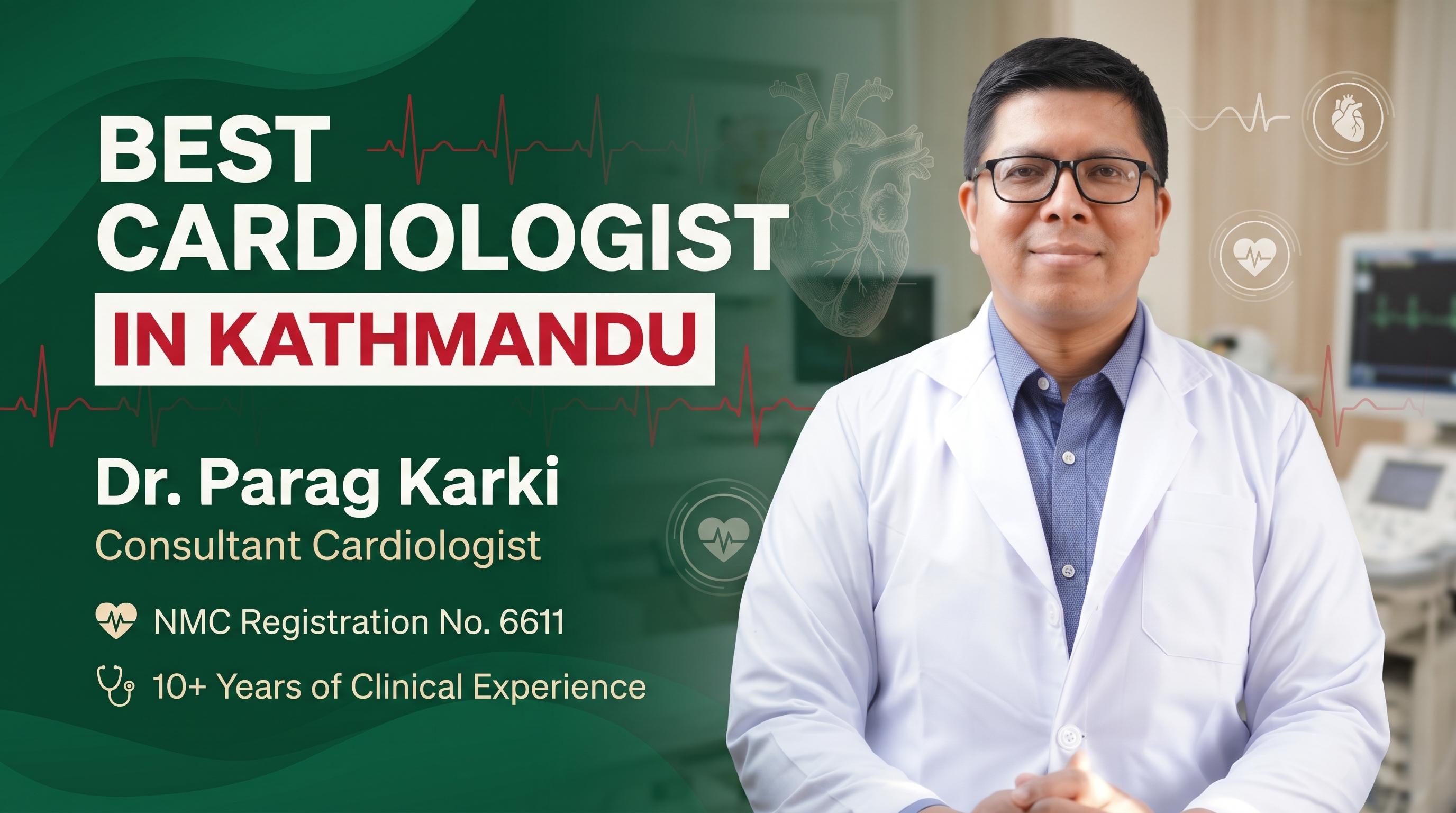
Dr. Parag Karki (NMC 6611) is a consultant cardiologist at KNMC. He holds a DM in Cardiology and an MD in Internal Medicine, both from the National Academy of Medical Sciences in Kathmandu, and has 10+ years of clinical experience. If you are looking for a heart specialist (मुटुरोग विशेषज्ञ) in Kathmandu,
Why Consider Dr Parag Karki for Heart Care?
- Training in two linked fields: He completed an MD in Internal Medicine and then a DM in Cardiology. Heart disease often occurs together with high blood pressure or diabetes, so training in both helps him look at the whole picture.
- Advanced training in cardiology: A DM is the higher degree taken after an MD, and it focuses on the heart.
- Registered with the Nepal Medical Council: His NMC number is 6611, and patients can check a doctor's registration with the council.
- 10+ years of clinical experience:
- Speaks Nepali, English, and Hindi: This makes it easier to describe symptoms and understand the treatment plan.
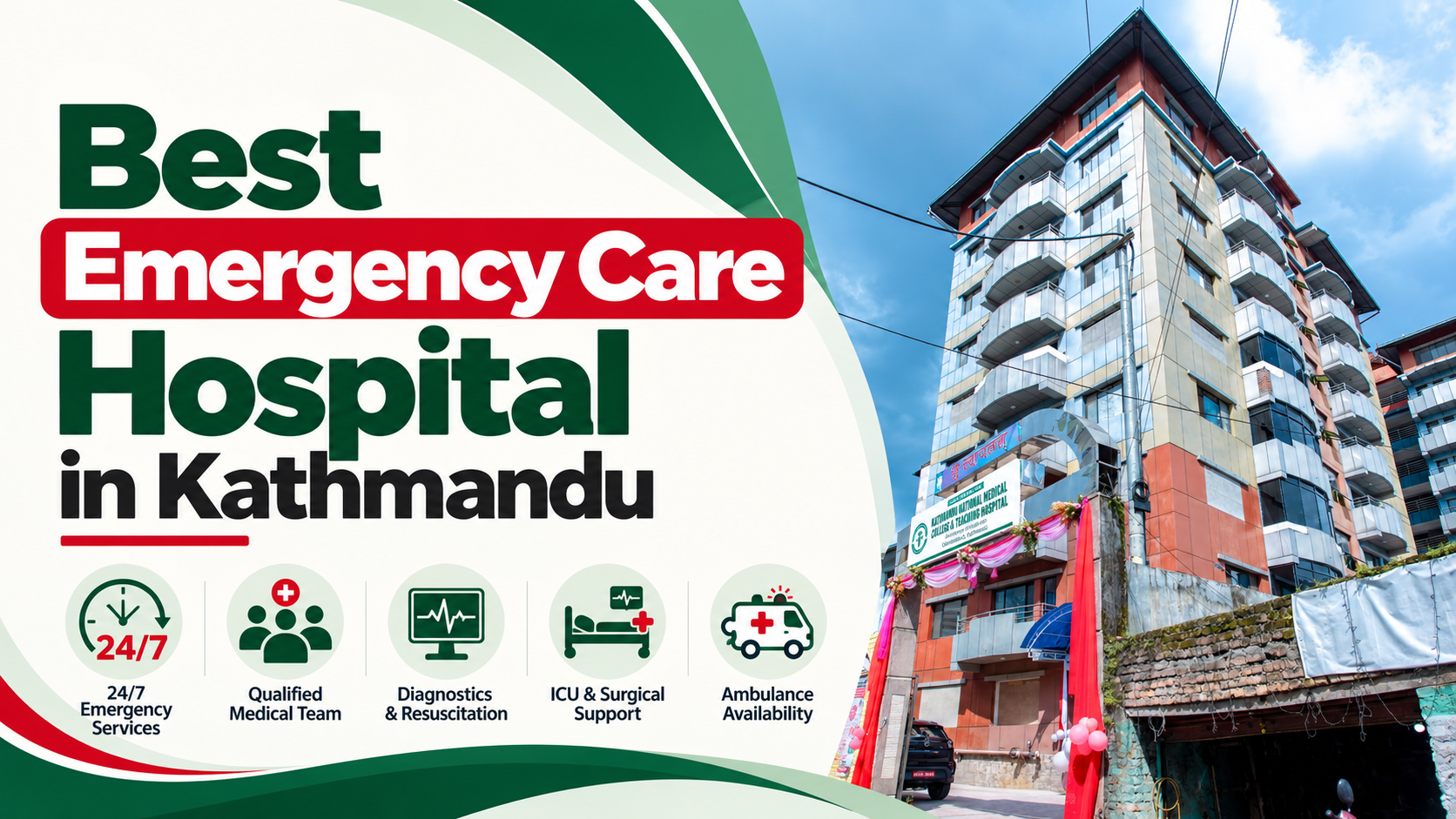
- Hospital backup: KNMC runs a 24-hour emergency service that covers cardiac and critical care, with an ICU that offers continuous cardiovascular monitoring.
Dr Parag Karki's Qualifications and Medical Experience
| Qualification | Institution | Year |
| MBBS | Armed Forces Medical College (AFMC), Pune, India (Maharashtra University of Health Sciences, Nashik) | 2005 |
| MD in Internal Medicine | National Academy of Medical Sciences (NAMS), Kathmandu | 2014 |
| DM in Cardiology | National Academy of Medical Sciences (NAMS), Kathmandu | 2021 |
- Current role: Consultant Cardiologist, KNMC
- NMC registration: 6611
- Clinical experience: 10+ years
- Area of focus: Cardiology and Internal Medicine
- Languages: Nepali, English, Hindi
You can read the full listing on Dr. Parag Karki's profile page.
Areas of Cardiology and Internal Medicine
Dr Karki's listed area of focus is cardiology and internal medicine. As a heart specialist in Kathmandu, his daily work usually involves:
- Finding the cause of heart symptoms: Chest pain, breathlessness, and palpitations can have many causes, so careful assessment comes first.
- Treating heart conditions with medicine and follow-up: Many heart problems are managed without surgery.
- Controlling risk factors: High blood pressure, high cholesterol, and diabetes raise the risk of heart disease, so keeping them in range protects the heart.
- Prevention and lifestyle advice: Diet, exercise, and quitting smoking lower the risk of future problems.
Heart surgery is a separate specialty. If a patient needs it, the cardiologist advises on the next step.
Common Heart Conditions That Require a Cardiologist
- Coronary artery disease: Narrowed heart arteries reduce blood flow to the heart muscle, which can cause chest pain or a heart attack (हृदयाघात).
- High blood pressure: Long-term high pressure makes the heart work harder and can damage it over time.
- Heart failure: The heart does not pump blood as well as it should, which can cause breathlessness and swollen legs.
- Irregular heartbeat (arrhythmia): The heart beats too fast, too slow, or unevenly. Some types are harmless, and others need treatment.
- Heart valve problems: A valve that does not open or close properly can strain the heart.
- Chest pain without a clear cause: A cardiologist can check whether the heart is involved or whether the cause lies elsewhere.
Cardiac Tests and Diagnostic Services at KNMC
KNMC's Cardiology department is described as equipped with modern diagnostic tools and clinical units. The tests below are the ones cardiologists commonly use. Please confirm which are available, and the timing, when you book.
- Electrocardiogram (ECG): A quick, painless test that records the heart's electrical activity.
- Echocardiogram: An ultrasound that shows the heart's chambers, valves, and pumping.
- Stress test: Records the heart while it works harder, often on a treadmill.
- Holter monitor: A small portable device worn for 24 to 48 hours to catch rhythm problems that come and go.
- Blood tests: Can check cholesterol, blood sugar, and signs of heart muscle injury.
The doctor decides which tests you need based on your symptoms. Most people do not need all of them.
When Should You Consult a Cardiologist?
Book a consultation if you have:
- Chest pain, pressure, or tightness (छाती दुख्ने), especially when walking or climbing stairs
- Shortness of breath (स्वाँस्वाँ हुने) that is new or getting worse
- A racing, pounding, or skipping heartbeat (मुटु ढुकढुक हुने)
- Dizziness or fainting (बेहोश हुने) with no clear cause
- Swelling in the legs or feet
- High blood pressure or high cholesterol that is not under control
- A close family member who had heart disease at a young age
Go to the emergency room right away if you have:
- Chest pain or pressure that lasts more than a few minutes or keeps returning
- Chest pain with sweating, nausea, or pain spreading to the arm, back, neck, or jaw
- Severe breathlessness, or fainting along with chest pain
Not every chest pain comes from the heart. Still, heart-related pain often gets worse with activity, so it should not be ignored.
Dr. Parag Karki at Kathmandu National Hospital
- Department: Cardiology
- OPD days: Sunday to Friday
- Location: KNMC's Kathmandu campus in Anamnagar, with directions available online
- Emergency care: Open 24 hours for cardiac and critical care
- Other services: KNMC also lists health packages for general health checks
Because KNMC is a teaching hospital, patients can use specialists from other departments if their condition needs it.
How to Arrange a Cardiology Consultation
- Book online: Use the appointment page to check Dr. Karki's live OPD schedule and choose a slot.
- Call the hospital: Dial 01-4771556 for the OPD or for emergencies.
- Contact the team: Send a message through the contact page.
Frequently Asked Questions
Who is the best cardiologist in Kathmandu?
No single doctor suits every patient. A good way to choose is to check the NMC registration, the cardiology training, the years of experience, and whether the hospital has tests and emergency care. Dr. Parag Karki holds a DM in Cardiology and an MD in Internal Medicine, is registered with the NMC (6611), and has 10+ years of experience.
What qualifications does Dr. Parag Karki?
He has an MBBS (2005), an MD in Internal Medicine (2014), and a DM in Cardiology (2021). The last two are from the National Academy of Medical Sciences in Kathmandu.
When should I see a heart doctor in Kathmandu?
See a heart doctor for chest discomfort, new breathlessness, palpitations, fainting, leg swelling, or uncontrolled blood pressure or cholesterol. A family history of early heart disease is also a good reason to get checked.
Is chest pain always a heart problem?
No. Gastric problems, muscle pain, and lung problems can also cause it. Chest pain that comes with activity, sweating, or breathlessness needs urgent attention.
Do I need to fast or prepare before seeing a cardiologist?
A first visit usually does not need special preparation. Some blood tests may need fasting, so ask when you book.
What should I bring to my first appointment?
Bring earlier reports, a list of current medicines, and notes about your symptoms.
Sources:
When to see a cardiologist, Mayo Clinic Health System ·
Heart arrhythmia, Mayo Clinic ·
How serious are heart palpitations, American Heart Association ·
Tests for heart problems, Health New Zealand
Department: Cardiology
Consulting Doctor: Dr. Parag Karki, Consultant Cardiologist (NMC 6611, 10+ years of experience)
Book a consultation with KNMC's Cardiology team:
01-4771556 | Book Appointment | Contact Us
Follow KNMC: Facebook | Instagram | LinkedIn | TikTok