Heart disease is not one single condition. It includes several problems affecting the heart and blood vessels, from coronary artery disease and hypertension-related complications to abnormal heart rhythms.
For people in Nepal, understanding the risk factors for heart disease can make it easier to recognise concerns early and take practical steps toward better heart health. You can change or treat many important risk factors, but you cannot change or treat others, such as age and family history.
This guide explains what causes heart disease, common warning signs, how heart disease is diagnosed, and what you can do to reduce your cardiovascular risk.
What Is Heart Disease?
Heart disease is a broad term for conditions that affect the heart or the blood vessels supplying it. Cardiovascular disease can include coronary artery disease, high blood pressure-related diseases, heart failure, rhythm disorders, and other conditions.
Coronary heart disease, for example, commonly develops when fatty deposits build up in the coronary arteries, reducing blood flow to the heart muscle. High blood pressure can also place ongoing strain on the cardiovascular system. Rhythm disorders, meanwhile, involve problems with the heart's electrical system and can cause the heart to beat too quickly, too slowly or irregularly.
So, when you ask, "What causes heart disease?" there is no single answer. Different conditions have different causes, and a person's overall risk usually reflects a combination of lifestyle, medical, genetic and other factors.
Risk Factors You Can and Can't Control
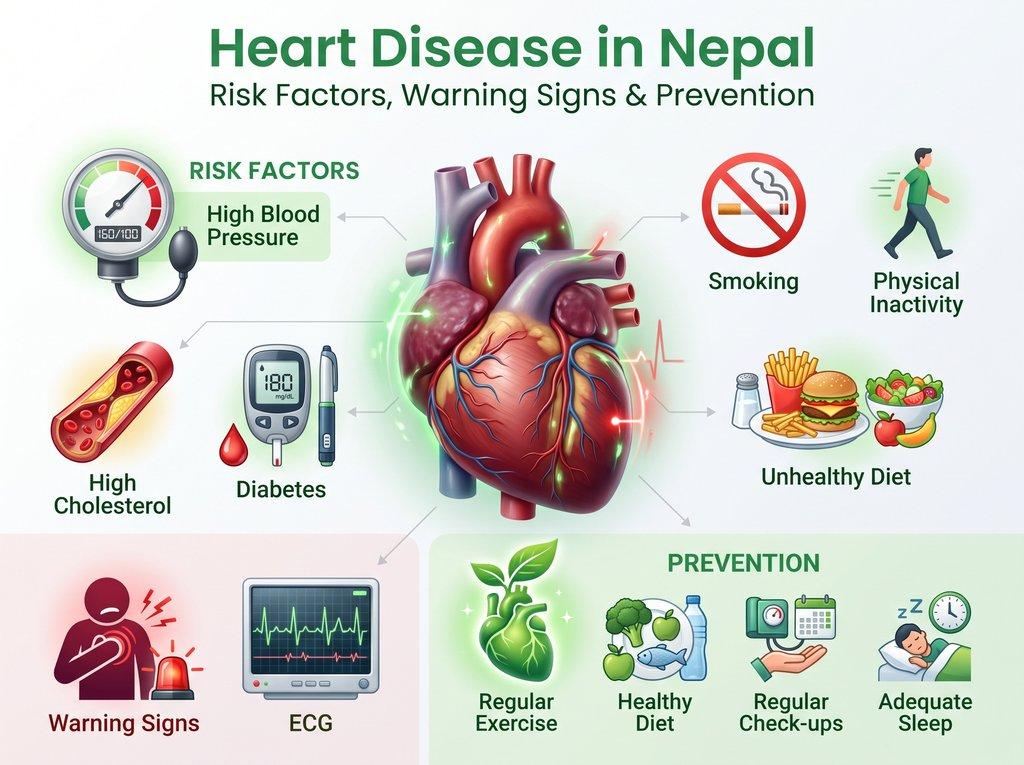
Your risk of cardiovascular disease depends on several factors. Some can be changed or treated, while others cannot. Knowing the difference can help you focus on the areas where action can make a difference.
Modifiable Risk Factors
These are factors you can often change, manage or treat with lifestyle measures and medical care.
High blood pressure: Hypertension can increase the strain on the heart and blood vessels. Because high blood pressure may not cause obvious symptoms, regular blood-pressure checks are important.
High cholesterol: Elevated cholesterol can contribute to fatty deposits in the arteries and increase the risk of coronary heart disease.
Diabetes and high blood sugar: Diabetes is associated with increased cardiovascular risk. Managing blood glucose as advised by a healthcare professional is part of protecting long-term heart health.
Smoking and tobacco use: Tobacco use is a major cardiovascular risk factor. Stopping smoking can reduce cardiovascular risk and is one of the most important steps a smoker can take for heart health.
Physical inactivity: Not getting enough regular physical activity can contribute to several other risk factors, including high blood pressure, unhealthy cholesterol levels, diabetes and excess weight.
Unhealthy diet: Diets high in salt, unhealthy fats and added sugars can contribute to cardiovascular risk. WHO recommends healthier eating patterns that include more fruits and vegetables and less salt.
Overweight or obesity: Excess body weight is associated with higher cardiovascular risk and can also contribute to conditions such as hypertension and diabetes.
Too Much Alcohol: Excessive alcohol consumption can increase blood pressure and contribute to cardiovascular risk.
Stress: Chronic stress, anxiety, and other mental-health factors have been associated with cardiovascular risk, but stress is one contributing factor among many—not a single explanation for heart disease.
Non-Modifiable Risk Factors
Some risk factors cannot be changed, but knowing about them can help you and your doctor understand your overall risk.
Age: The risk of many forms of heart disease increases as people get older.
Family history: Having a close family member with early heart disease can increase your own risk. Family history does not mean that you will develop heart disease, but it can be an important reason to discuss earlier or more frequent risk assessment with a doctor.
Sex: Cardiovascular risk patterns differ between men and women, and some forms of coronary disease can present differently in women.
The key point is that non-modifiable risk factors do not mean there is nothing you can do. They can help determine how closely your modifiable risks should be monitored.
Common Warning Signs
Common symptoms that can occur with heart-related conditions include:
- Chest discomfort, pressure, tightness or pain
- Shortness of breath or breathlessness
- Unusual or persistent fatigue
- Feeling faint or light-headed
- Palpitations or a noticeable change in heart rhythm
- Pain or discomfort that may extend to the arm, shoulder, neck, jaw or back
- Nausea or feeling unwell in some cases
These symptoms do not automatically mean you have heart disease or are having a heart attack. They can have many causes, which is why clinical assessment matters.
Symptoms can also vary between people. Women experiencing a heart attack, for example, may have symptoms such as unusual tiredness, shortness of breath, shoulder or back pain, or an upset stomach, with or without chest pain.
How Heart Disease Is Diagnosed
You can not figure out if you have heart disease just by how you feel or by taking or reading an online quiz. A doctor needs to look at your past health, your family's health, and a real check-up before they know which tests to run.
Depending on the suspected condition, evaluation may include the following:
ECG: An electrocardiogram records the heart's electrical activity and can help identify rhythm abnormalities and other heart problems.
Echocardiography: An echocardiogram uses ultrasound to examine the structure and function of the heart and assess how well it pumps.
Stress testing: A stress test evaluates how the heart performs during physical activity or medication-induced stress. It may be used when coronary heart disease or exercise-related symptoms are suspected.
Blood tests: Depending on the situation, blood tests may assess cholesterol, blood glucose, and other markers. When a heart attack is suspected, cardiac troponin may help identify heart-muscle injury.
Other tests may be needed depending on the symptoms and suspected condition. Your cardiologist can explain which tests are appropriate and why.
Prevention: What Actually Helps
WHO recommends focusing on established measures such as stopping tobacco use, improving diet, staying physically active and managing conditions such as hypertension, diabetes and high cholesterol.
Keep Blood Pressure Under Control
High blood pressure often has no noticeable symptoms, so checking it is important. If you have hypertension, follow your healthcare professional's advice about lifestyle changes, monitoring and medication.
Stay Physically Active
Regular physical activity can help improve several cardiovascular risk factors. Choose activities that are appropriate for your fitness level and health, and discuss an exercise plan with your doctor if you have existing heart symptoms or medical conditions.
Build a Heart-Healthy Diet
A heart-conscious eating pattern generally emphasises vegetables, fruits and other nutritious foods while limiting excess salt, unhealthy fats and added sugars. Small, sustainable changes can be more practical than trying to change everything at once.
Stop Smoking and Avoid Tobacco
If you smoke or use tobacco, quitting is one of the clearest steps you can take to reduce cardiovascular risk. Support from a healthcare professional can make quitting more manageable.
Manage Cholesterol and Diabetes
High cholesterol and diabetes can increase cardiovascular risk. Testing, monitoring and appropriate treatment can help reduce that risk. Do not stop or change prescribed medication without discussing it with your doctor.
Don't Ignore Your Overall Risk
Heart health is not about one number or one habit. Blood pressure, cholesterol, blood sugar, smoking, physical activity, weight, family history and age can all contribute to your overall cardiovascular risk.
You will get the best prevention by addressing several manageable risk factors together rather than focusing on only one.
When to See a Cardiologist
Consider discussing your heart health with a cardiologist if you have persistent or unexplained chest discomfort, breathlessness, palpitations, fainting or other symptoms that may be cardiovascular. A cardiology assessment may also be appropriate when you have significant risk factors such as hypertension, diabetes, high cholesterol, smoking or a strong family history of heart disease.
You do not need to wait for severe symptoms to discuss cardiovascular risk. A doctor can help determine whether you need monitoring, lifestyle changes, medication or further testing based on your individual risk.
For specialist cardiac evaluation in Kathmandu, you can explore the KNMC Cardiology Department, which provides evaluation and management of hypertension, heart disease and rhythm disorders and offers diagnostic services, including ECG, echocardiography and cardiac monitoring.
You can also view Dr. Parag Karki's cardiology profile, which lists him as a consultant cardiologist with DM training in cardiology and experience in acute and chronic cardiac care.
Frequently Asked Questions
What are the risk factors for heart disease?
Major risk factors for heart disease include high blood pressure, high cholesterol, smoking, diabetes, obesity, and a lack of physical activity.
What are early signs of heart disease?
Early signs of heart disease include chest discomfort, shortness of breath during normal tasks, unusual tiredness, and swelling in the feet or legs
Can heart disease be prevented?
Yes, most heart disease can be prevented or delayed by living a healthy lifestyle, avoiding tobacco, eating good food, moving your body, and getting regular checkups to manage health numbers like blood pressure and cholesterol.
What foods are bad for heart health?
Foods high in saturated fats, trans fats, added sugars, and sodium are bad for your heart.
Is high blood pressure the same as heart disease?
No, high blood pressure is not the same as heart disease. High blood pressure (hypertension) means blood pushes too hard against your artery walls. Heart disease is a broader term for conditions that affect the heart's structure or function. However, high blood pressure is a major risk factor that can lead to heart disease.
What are the warning signs of heart disease?
Warning signs of heart disease include chest pain or pressure (angina), shortness of breath during light activity or rest, unusual and persistent fatigue, swelling in the legs, ankles, or feet, and irregular heartbeats
A Simple Approach to Better Heart Health
You cannot change every risk factor for heart disease. You can take action on many of the most important ones.
Know your blood pressure. Check your cholesterol and blood sugar when appropriate. Avoid tobacco. Stay physically active. Choose a balanced diet. Follow treatment recommendations for conditions such as hypertension and diabetes. And if you develop concerning or persistent symptoms, get evaluated rather than relying on self-diagnosis.
For people looking for heart health tips in Kathmandu, a conversation with a qualified healthcare professional can turn general advice into a plan based on your individual cardiovascular risk.
Sources
- World Health Organization — Cardiovascular Diseases
- National Heart, Lung, and Blood Institute — Coronary Heart Disease Risk Factors
- National Heart, Lung, and Blood Institute — Coronary Heart Disease Diagnosis
- NHS — Coronary Heart Disease
- NHS — Coronary Heart Disease: Causes